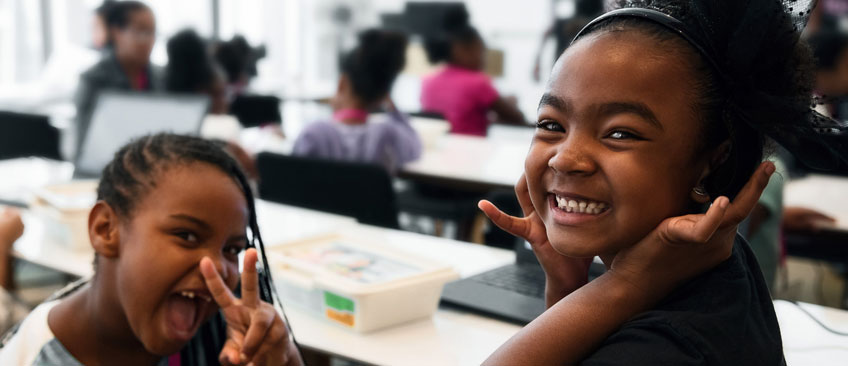
Education is more than just academics, it’s about preparing young people to become responsible, capable, and confident leaders in society. An educational development program plays a vital role in this process by providing structured opportunities for growth beyond the classroom. These programs focus on cultivating leadership, critical thinking, and essential life skills while fostering personal and social development.
Across schools, community organizations, and nonprofit initiatives, programs such as youth development programs and student leadership programs are designed to equip students with the tools they need to navigate the challenges of the modern world. By integrating educational growth programs and learning development initiatives, these programs support holistic development that prepares students not only academically but also socially and emotionally.
Understanding Educational Development Programs
An educational development program is a structured set of activities designed to enhance a student’s skills, knowledge, and character. These programs often focus on leadership, problem-solving, teamwork, and ethical decision-making. The goal is to prepare students to succeed in their personal, academic, and professional lives.
Youth development programs are particularly effective for engaging students in interactive, real-world experiences. These programs allow young people to apply what they learn, explore their interests, and develop confidence in their abilities. For example, participating in a community service project can teach teamwork, empathy, and project management skills—all essential components of leadership.
Student Leadership Programs and Skill Building
Student leadership programs provide opportunities for learners to practice decision-making, communication, and collaboration. By taking on leadership roles in student councils, clubs, or project teams, students gain practical experience that goes beyond textbooks. These programs often include mentorship, coaching, and feedback to guide participants through challenges and successes.
In addition to leadership, these programs emphasize life skills training and character development. Students learn responsibility, time management, conflict resolution, and interpersonal skills, capabilities that are invaluable in school, work, and community settings.
The Role of Educational Growth Programs
Educational growth programs are designed to foster intellectual curiosity, critical thinking, and problem-solving. They often combine classroom learning with experiential opportunities, such as project-based learning, workshops, and collaborative initiatives. By engaging students in real-world scenarios, these programs enhance career readiness and prepare participants for future challenges.
Programs that integrate learning development initiatives provide a framework for continuous improvement. They encourage reflection, goal setting, and personal accountability, helping students develop both hard and soft skills. These programs are adaptable to individual needs, allowing students to progress at their own pace while receiving guidance and support.
Mentorship and Community Engagement
Mentorship is a cornerstone of effective educational development programs. Experienced educators, community leaders, or older peers provide guidance, encouragement, and insight, helping students navigate both academic and personal challenges. Mentorship programs are particularly valuable in cultivating resilience, self-confidence, and social responsibility.
Community engagement also plays a critical role. Programs that connect students with nonprofit youth programs or local initiatives allow participants to apply their skills in meaningful ways. These experiences foster empathy, civic responsibility, and a sense of purpose, while also building networks that support future success.
Interactive Skill-Building Workshops
Hands-on experiences are vital for comprehensive development. Skill-building workshops included in these programs focus on areas such as public speaking, project management, teamwork, and creative problem-solving. These workshops provide practical, real-world applications of leadership and personal growth concepts, making learning engaging and relevant.
Students participating in these workshops gain confidence, develop essential competencies, and experience measurable growth in both academic and personal arenas.
Measuring the Impact of Development Programs
Successful educational development programs track progress through both qualitative and quantitative measures. Indicators of success may include improved leadership skills, increased participation in school activities, higher academic performance, and enhanced self-confidence.
Programs often use surveys, reflections, and performance assessments to gauge student development. Continuous evaluation allows organizers to refine initiatives, ensuring they meet evolving student needs and deliver meaningful outcomes.
Why These Programs Matter
Investing in educational development programs ensures that students are not only prepared for exams but also equipped to thrive in society. By integrating youth development programs, student leadership programs, and learning development initiatives, schools and organizations cultivate a generation of adaptable, capable, and socially conscious leaders.
Students gain skills that extend beyond the classroom: they learn responsibility, teamwork, problem-solving, and ethical decision-making. These competencies are essential for future career success, civic engagement, and personal growth.
Conclusion
An educational development program serves as a bridge between academic learning and real-world readiness. By combining student leadership programs, youth development programs, educational growth programs, and learning development initiatives, students receive holistic support that nurtures both their intellect and character.
Through mentorship, skill-building workshops, and community engagement, these programs empower students to become confident, capable, and socially responsible leaders. By prioritizing development alongside academics, schools and communities can cultivate a generation ready to embrace challenges, lead with integrity, and contribute positively to society.